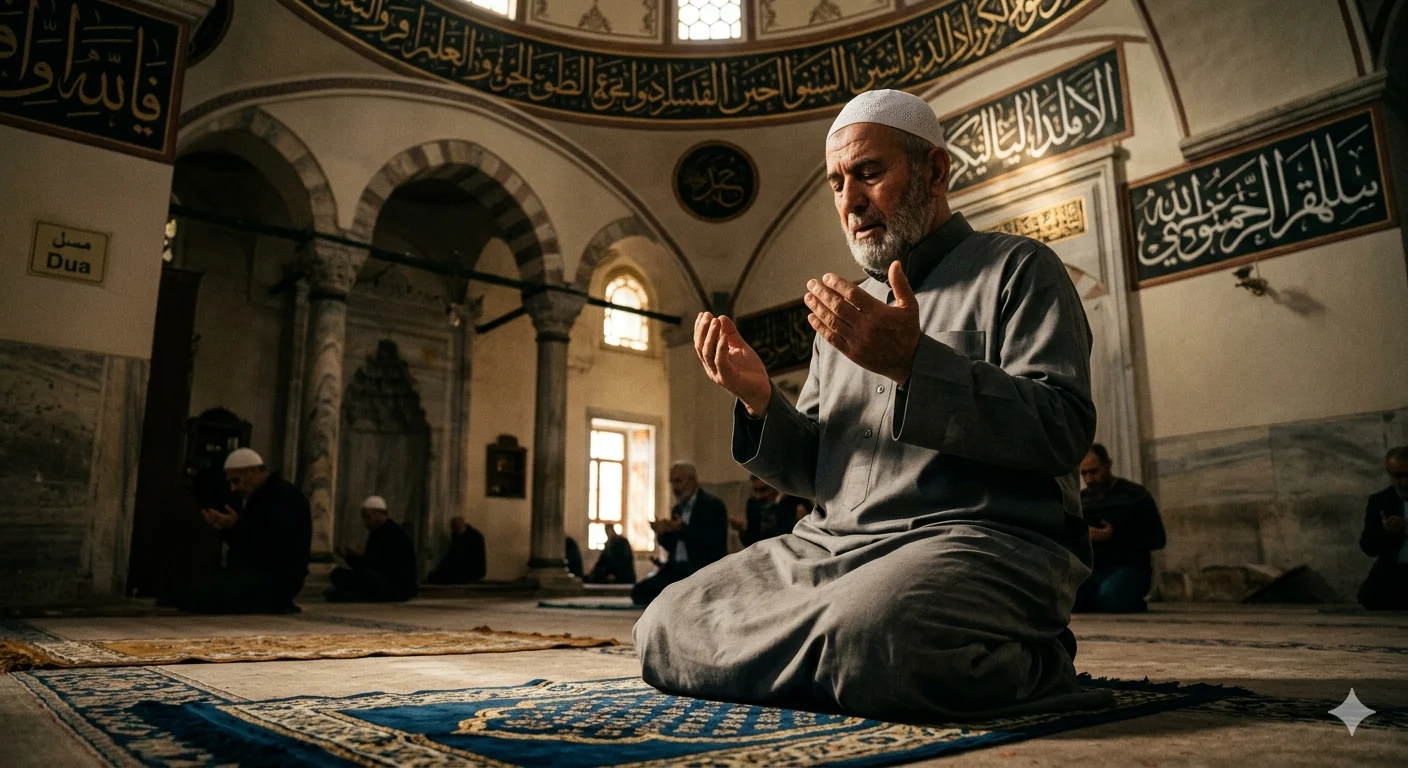
Have you ever searched for powerful prayers in Islam during a time of hardship, uncertainty, or deep personal need? Whether you’re seeking guidance, protection, forgiveness, healing, success, or peace of mind, turning to Allah through sincere dua can bring comfort, hope, and strength. Islam teaches that no prayer is too small and no burden is too great for Allah’s mercy and wisdom.
Powerful prayers in Islam are authentic duas from the Quran and Sunnah that ask Allah for guidance, protection, forgiveness, healing, provision, success, and spiritual strength. These prayers help Muslims strengthen their faith, seek Allah’s help, and find peace in every situation of life.
But which duas are the most powerful, and when should you recite them? In this guide, you’ll discover some of the most effective Islamic prayers for different needs, their meanings, and the blessings they carry. Whether you’re facing challenges or simply seeking a closer relationship with Allah, these powerful prayers can help you grow in faith, find inner peace, and place your trust in Allah’s perfect plan.
Prayers for Seeking Allah’s Help During Difficult Times
1. Prayer for Strength When Life Feels Overwhelming
Many believers experience moments when responsibilities, worries, and hardships seem impossible to manage. During one particularly stressful season, a young father found peace by repeatedly asking Allah for strength rather than focusing on his fears. This prayer reminds us that Allah never burdens a soul beyond its capacity. Ask Him sincerely for patience, resilience, and guidance. Powerful duas for all problems begin with trusting that Allah hears every whispered prayer and understands every struggle hidden within the heart.
2. Prayer for Guidance Through Uncertainty
There are times when important decisions leave us confused and uncertain. Whether choosing a career path, making family decisions, or facing unexpected changes, turning to Allah brings clarity. Through sincere dua, believers seek divine wisdom and protection from poor choices. Trusting Allah’s plan allows the heart to remain calm even when answers are not immediately visible. Every step taken with faith becomes easier when accompanied by prayer and reliance upon the Most Merciful.
3. Prayer for Relief From Financial Hardship
Financial struggles can create anxiety and emotional exhaustion. A believer facing debt once shared how daily supplication helped restore hope and motivation. Rather than surrendering to fear, they asked Allah for lawful provision and opportunities. This reflection encourages Muslims to combine prayer with effort, trusting that sustenance comes from Allah. Among the most powerful prayers in Islam, seeking halal provision teaches patience, gratitude, and confidence in Allah’s generosity.
4. Prayer for Patience During Trials
Every life includes tests that challenge faith and endurance. Some trials are temporary, while others require long-term patience. During these moments, prayer becomes a source of spiritual strength. Ask Allah to replace frustration with contentment and sadness with hope. The Quran repeatedly praises those who remain patient through adversity. By remembering Allah consistently, believers discover that even difficult seasons contain lessons, blessings, and opportunities for spiritual growth.
5. Prayer for Trust in Allah’s Plan
Human beings naturally want immediate answers, yet Allah’s wisdom often unfolds gradually. When plans fail or unexpected events occur, prayer helps believers surrender their worries to the Creator. Reflect on past difficulties that eventually led to blessings. Trusting Allah does not eliminate hardship, but it provides peace amid uncertainty. This prayer focuses on strengthening faith and accepting that Allah’s timing is always perfect, even when the purpose remains hidden.
6. Prayer for Hope After Disappointment
Disappointment can leave emotional scars that linger for years. Whether caused by personal loss, missed opportunities, or broken expectations, believers can seek healing through dua. Ask Allah to renew hope and open doors better than those that closed. Many inspiring stories begin after moments of failure. Through prayer, Muslims learn that setbacks are often redirections toward something greater. Hope grows stronger when rooted in faith and trust in Allah’s mercy.
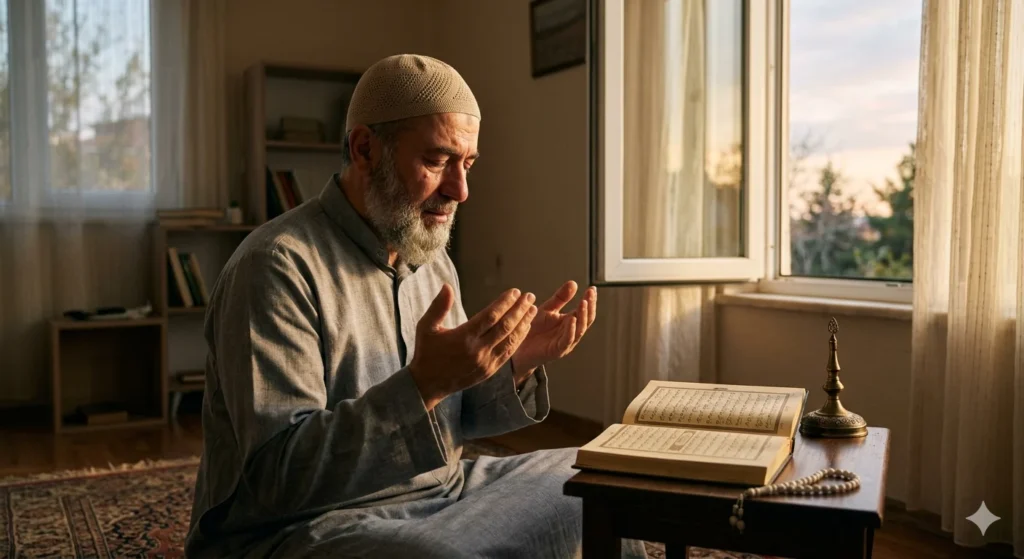
Prayers for Protection and Safety
1. Prayer for Protection From Evil Eye and Jealousy
One of the most requested supplications among Muslims is the dua for protection from evil eye and jealousy. Envy can create emotional discomfort and spiritual concern. This prayer asks Allah to safeguard the believer from harmful intentions and negative influences. By reciting protective Quranic verses and maintaining regular remembrance of Allah, many Muslims find comfort and confidence. True protection comes from the One who sees every hidden danger and controls all outcomes.
2. Prayer for Family Protection
Every parent desires safety, health, and happiness for their loved ones. This prayer focuses on asking Allah to protect family members from harm, illness, accidents, and spiritual difficulties. A mother who consistently prayed for her children during challenging years often described feeling peace despite uncertainty. Entrusting family affairs to Allah helps believers balance concern with faith. Continuous supplication strengthens both family bonds and spiritual resilience.
3. Prayer for Protection During Travel
Travel often brings excitement, but it can also involve uncertainty and risk. Muslims are encouraged to seek Allah’s protection before every journey. This prayer asks for safety, ease, and a blessed return home. Whether traveling for work, education, or family visits, remembering Allah during travel reinforces trust and gratitude. The journey becomes more meaningful when accompanied by sincere prayer and awareness of Allah’s constant care.
4. Prayer for Protection From Harmful Influences
Modern life exposes people to countless distractions and temptations. This prayer asks Allah to protect the heart, mind, and soul from influences that weaken faith. Through daily remembrance, believers strengthen spiritual awareness and avoid harmful habits. Many people discover that consistent prayer helps them make wiser choices and maintain stronger moral values. Protection is not only physical but also emotional, mental, and spiritual.
5. Prayer for Health and Wellness
Good health is one of Allah’s greatest blessings. Muslims often seek protection from illness and suffering through prayer. This reflection also addresses the commonly asked question: What dua is for protection from leprosy? Traditional supplications ask Allah for protection from severe diseases and harmful conditions. Such prayers remind believers to appreciate health while placing complete trust in Allah’s healing power and mercy.
6. Prayer for Peaceful Sleep and Night Protection
Many people struggle with anxiety, overthinking, and restless nights. Before sleeping, believers can seek Allah’s protection through remembrance and supplication. This prayer focuses on finding peace, security, and comfort throughout the night. Reciting protective verses before sleep creates a sense of spiritual calm. Trusting Allah’s protection allows the mind to rest and the heart to feel secure, regardless of daily challenges.

Prayers for Forgiveness and Spiritual Renewal
1. Prayer for Seeking Allah’s Mercy
Every believer makes mistakes and falls short at times. Islam teaches that Allah’s mercy is greater than any sin when repentance is sincere. Among the most powerful duas for forgiveness, asking Allah to forgive shortcomings strengthens humility and spiritual awareness. A believer who consistently seeks forgiveness often experiences greater peace and closeness to Allah. Repentance is not merely about regret; it is about returning to Allah with sincerity and hope.
2. Prayer for a Fresh Spiritual Beginning
There are moments when people feel disconnected from their faith and desire a new beginning. This prayer focuses on renewing one’s relationship with Allah and embracing positive change. Just as dawn follows darkness, spiritual renewal follows sincere repentance. Every day offers a fresh opportunity to strengthen faith, improve character, and seek Allah’s guidance. The journey toward spiritual growth begins with one heartfelt prayer.
3. Prayer for a Pure Heart
A pure heart reflects kindness, gratitude, and sincerity. Yet life’s challenges can sometimes fill the heart with resentment or negativity. This prayer asks Allah to cleanse the heart from harmful emotions and replace them with compassion and faith. Believers who regularly seek inner purification often find greater peace in their relationships and worship. A clean heart allows spiritual blessings to flourish and grow.
4. Prayer for Overcoming Guilt
Guilt can become emotionally exhausting when carried for too long. While healthy regret encourages positive change, excessive guilt can hinder spiritual growth. This prayer reminds believers that Allah’s mercy remains available to those who sincerely repent. Rather than remaining trapped by past mistakes, focus on learning, improving, and seeking forgiveness. Allah loves those who turn back to Him with humility and determination.
5. Prayer for Consistency in Worship
Many Muslims aspire to maintain regular prayers, Quran recitation, and remembrance of Allah. This supplication asks for consistency and dedication in worship. Spiritual growth often occurs through small, regular acts rather than occasional efforts. By asking Allah for steadfastness, believers strengthen their commitment and develop habits that nourish faith over time. Consistency transforms good intentions into lasting spiritual success.
6. Prayer for Gratitude and Contentment
Gratitude is one of the most powerful paths to spiritual fulfillment. This prayer encourages believers to recognize Allah’s countless blessings, even during difficult times. Reflecting on simple gifts such as health, family, faith, and daily sustenance nurtures contentment. A grateful heart experiences greater happiness and resilience. Through sincere appreciation, believers develop a deeper awareness of Allah’s generosity and compassion.
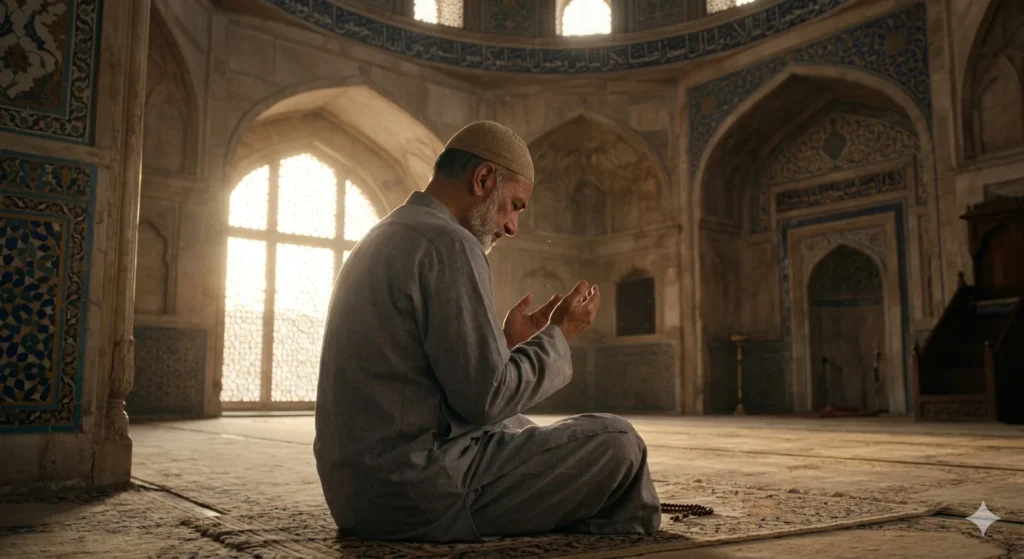
Prayers for Mental Peace, Emotional Healing, and Inner Strength
1. Prayer for Relief From Anxiety and Worry
Anxiety can quietly affect every area of life, making even simple tasks feel difficult. Many believers find comfort by turning their worries into sincere supplications. Those searching for what is dua for mental illness often seek prayers that bring calmness and emotional healing. Ask Allah to remove fear, ease anxious thoughts, and replace uncertainty with trust. Every sincere prayer reminds the believer that no burden is too heavy for Allah’s mercy and care.
2. Prayer for Healing a Broken Heart
Life sometimes brings painful losses, disappointments, and emotional wounds that seem impossible to overcome. During such moments, prayer becomes a source of comfort and renewal. Ask Allah to heal emotional pain, restore hope, and strengthen faith. Many people discover that spiritual healing happens gradually through patience, remembrance, and trust in Allah. A heart connected to Allah can recover from hardships and find peace even after deep sorrow.
3. Prayer for Emotional Resilience
Every believer encounters challenges that test patience and endurance. Emotional resilience grows when difficulties are faced with faith rather than despair. This prayer asks Allah to grant strength during stressful situations and confidence during uncertain times. Just as a tree grows stronger through storms, believers often emerge stronger after trials. Through consistent remembrance and supplication, emotional burdens become easier to carry and spiritual strength continues to increase.
4. Prayer for Freedom From Negative Thoughts
Negative thoughts can create unnecessary fear and sadness. Islam encourages believers to focus on hope, gratitude, and trust in Allah’s wisdom. This prayer asks Allah to protect the mind from harmful thinking and replace it with positive reflection. By remembering Allah regularly and focusing on His blessings, believers can develop a healthier mindset. A peaceful mind supports emotional well-being and strengthens the connection with the Creator.
5. Prayer for Comfort During Grief
Grief affects every person differently, whether caused by the loss of a loved one, a missed opportunity, or a major life change. During periods of sadness, prayer provides emotional support and spiritual reassurance. Ask Allah to grant patience, healing, and acceptance. Many believers find comfort in remembering that every hardship carries wisdom and every loss is known by Allah. Through prayer, grief gradually transforms into hope and remembrance.
6. Prayer for Lasting Inner Peace
Inner peace is one of the greatest blessings a believer can experience. This prayer focuses on calming the heart and strengthening trust in Allah’s decree. A person may possess wealth and success yet still feel restless without spiritual contentment. Through sincere supplication, Quran recitation, and remembrance of Allah, believers discover tranquility that external circumstances cannot provide. Lasting peace begins when the heart fully relies upon Allah alone.
Powerful Quranic Duas for Daily Life and Miracles
1. Prayer for Allah’s Help in Every Situation
Many Muslims search for a powerful dua for Allah’s help when facing challenges beyond their control. This prayer focuses on seeking divine assistance, wisdom, and support. A student preparing for examinations, a parent facing responsibilities, or a worker managing difficulties can all benefit from turning to Allah. Every sincere request demonstrates humility and faith. Allah’s help often arrives through opportunities, guidance, patience, and unexpected blessings.
2. Prayer for a Positive Life Transformation
People often search for a powerful dua for miracle when hoping for extraordinary change. While miracles belong to Allah alone, believers are encouraged to ask confidently for His mercy and assistance. This prayer focuses on opening doors of goodness, removing obstacles, and creating positive transformation. Through faith, effort, and patience, many believers witness remarkable improvements in their lives. Trusting Allah allows hope to remain strong regardless of circumstances.
3. Prayer for Success and Achievement
Success in Islam includes both worldly accomplishments and spiritual growth. This prayer asks Allah to bless efforts, provide beneficial opportunities, and guide decisions toward goodness. Whether pursuing education, career goals, or personal development, believers are encouraged to combine hard work with sincere supplication. True success is not measured solely by achievements but also by integrity, gratitude, and obedience to Allah. Prayer helps maintain balance throughout the journey.
4. Prayer for Wisdom and Knowledge
Knowledge is among the greatest blessings a believer can seek. This prayer asks Allah to increase understanding, wisdom, and beneficial learning. Students, teachers, professionals, and lifelong learners can all benefit from seeking divine guidance in their educational pursuits. Knowledge gained with sincerity benefits both the individual and society. Through prayer, believers acknowledge that true wisdom ultimately comes from Allah and should be used for good.
5. Prayer for Blessings in Daily Life
Sometimes the greatest miracles appear in ordinary moments. This prayer asks Allah to place blessings in health, family, work, and daily activities. A simple meal, meaningful conversation, or peaceful evening can become a source of gratitude when viewed through the lens of faith. By seeking barakah in everyday life, believers learn to appreciate Allah’s continuous generosity and recognize blessings that might otherwise be overlooked.
6. Prayer Inspired by Quranic Supplications
The Quran contains some of the most beautiful and meaningful duas ever revealed. Many Muslims seek resources such as 75 Duas from the Quran PDF and Powerful Duas in Islam PDF to learn and memorize these supplications. This reflection encourages believers to study Quranic prayers regularly and incorporate them into daily worship. These timeless supplications address guidance, forgiveness, protection, gratitude, and spiritual growth, making them invaluable companions throughout life.
When God Answers Your Prayers: Hidden Signs
Understanding Powerful Prayers in Islam and Daily Sunnah Worship
1. Which Prayer Is the Most Powerful in Islam?
Many people ask, Which prayer is the most powerful in Islam? While every sincere prayer has value, scholars often emphasize that prayers offered with complete sincerity, humility, and trust are especially powerful. The five daily obligatory prayers remain the foundation of worship. Additionally, heartfelt dua made during moments of sincerity can profoundly impact a believer’s spiritual life. The greatest strength comes from genuine faith and complete reliance on Allah.
2. What Are the Three Strongest Prayers?
Another common question is, What are the three strongest prayers? Many scholars highlight the obligatory prayers, sincere repentance, and personal supplications made during times of need. These forms of worship strengthen faith, increase closeness to Allah, and provide spiritual support. The effectiveness of prayer depends not only on the words spoken but also on sincerity, consistency, and trust. A humble heart often experiences the greatest spiritual benefits.
3. What Are the 12 Sunnah Prayers?
Many Muslims ask, What are the 12 Sunnah prayers? These include the voluntary prayers regularly performed by Prophet Muhammad ﷺ alongside the obligatory prayers. They serve as a means of drawing closer to Allah and earning additional rewards. This reflection encourages believers to gradually incorporate Sunnah prayers into daily routines. Consistent voluntary worship strengthens discipline, deepens faith, and increases opportunities for spiritual growth and divine blessings.
4. What Is the 7 7 7 Rule in Islam?
The question What is the 7 7 7 rule in Islam? frequently appears online. It is important to understand that this concept is not an established Islamic teaching found in authentic Quranic or Prophetic sources. Muslims should always verify religious practices through reliable scholarship. This reflection encourages believers to prioritize authentic supplications, Quranic guidance, and verified Sunnah practices when seeking spiritual growth and closeness to Allah.
5. Powerful Prayers in Islam in Arabic
Many believers seek powerful prayers in Islam in Arabic because the language of the Quran carries deep spiritual significance. Learning authentic Arabic duas allows Muslims to connect more closely with Quranic teachings and Prophetic traditions. However, understanding the meaning remains equally important. When the heart understands the words being recited, prayer becomes more sincere, reflective, and spiritually transformative. Knowledge and understanding enhance every act of worship.
6. Powerful Prayers in Islam in English
For many Muslims around the world, powerful prayers in Islam in English help deepen understanding and personal reflection. Allah understands every language and every sincere intention. While Arabic remains important for prescribed worship, personal supplications may be offered in a language the believer understands. This allows the heart to express gratitude, hope, concerns, and dreams more naturally. Meaningful communication with Allah strengthens faith and spiritual connection.
Catholic Prayers in English: Hidden Grace
Frequently Asked Questions
Which prayer is the most powerful in Islam?
The most powerful prayer is one offered with sincerity, humility, and complete trust in Allah. The five daily prayers are the foundation of worship, while heartfelt personal supplications can bring immense spiritual comfort, guidance, and blessings.
What are the 12 Sunnah prayers?
The 12 Sunnah prayers are voluntary prayers regularly performed alongside the obligatory prayers. They include Sunnah rak’ahs before and after certain daily prayers and are highly recommended for earning additional rewards and strengthening faith.
What dua is for protection from leprosy?
Authentic Islamic supplications include prayers seeking protection from severe diseases and harmful illnesses. Muslims are encouraged to ask Allah for health, wellness, healing, and protection while also seeking appropriate medical treatment when needed.
What is dua for mental illness?
A dua for mental illness focuses on asking Allah for emotional healing, peace, strength, and relief from anxiety, sadness, and distress. Combining prayer, professional support, and healthy spiritual habits can contribute to overall well-being.
What are the three strongest prayers?
Many scholars emphasize obligatory prayers, sincere repentance, and personal supplications made with humility as among the strongest forms of worship. Consistency and sincerity greatly influence the spiritual impact of prayer.
What is the 7 7 7 rule in Islam?
The 7 7 7 rule is not recognized as an authentic Islamic teaching from the Quran or Sunnah. Muslims should rely on verified religious sources when learning about worship, supplications, and spiritual practices.
Can I make powerful prayers in Islam in English?
Yes. While prescribed acts of worship have specific requirements, personal supplications can be made in English or any language. Allah understands every language and knows the intentions within every heart.
Conclusion
Powerful prayers in Islam provide comfort during hardship, guidance during uncertainty, protection from harm, and hope during life’s most difficult moments. Through sincere dua, Quranic supplications, regular worship, and trust in Allah, believers develop spiritual resilience and a deeper connection with their Creator. Whether seeking forgiveness, emotional healing, protection, success, or inner peace, prayer remains one of the greatest gifts in Islam.
Remember that the strength of any dua lies not only in its words but also in sincerity, patience, and faith. Continue turning to Allah in every situation, both during ease and difficulty. As you make prayer a daily habit, you may discover greater peace, gratitude, and confidence in Allah’s wisdom.
May Allah accept your prayers, strengthen your faith, and fill your life with mercy, blessings, and guidance.