
In the quiet moments before dawn or the rush of a busy afternoon, the five prayers of Islam gently call believers back to what truly matters. Salah is not just a ritual—it is a lifeline, a rhythm that anchors the heart to Allah amid life’s chaos.
Many Muslims share how prayer becomes their safe place during stress, grief, or uncertainty. Through Fajr, Dhuhr, Asr, Maghrib, and Isha, faith flows naturally into daily life, offering spiritual healing, emotional balance, and inner discipline. This guide explores the meaning, beauty, and blessings of the five daily prayers, weaving together reflections, real-life inspiration, and actionable supplications.
Whether you are strengthening your practice or rediscovering your connection, these prayers invite you into peace, consistency, and divine closeness—one sincere moment at a time.
Fajr Prayer – Beginning the Day With Light
Spiritual Meaning and Early Morning Connection
- A Prayer for New Beginnings
At dawn, Fajr reminds us that every day is a fresh mercy. Standing in prayer while the world sleeps teaches discipline and sincerity. Many believers feel clarity at this hour—worries feel lighter, intentions purer, and hope stronger. - Strength Against Anxiety
When anxiety whispers early, Fajr becomes a shield. Reciting Qur’an softly calms the heart and aligns thoughts with trust in Allah. This prayer sets a peaceful emotional tone for the entire day. - Renewing Faith Daily
Fajr trains consistency. Even on hard mornings, showing up builds spiritual strength. Over time, believers notice increased focus, gratitude, and patience flowing into daily responsibilities. - A Quiet Conversation With Allah
In the silence of dawn, Fajr feels deeply personal. Many reflect on life goals, mistakes, and hopes, finding comfort in Allah’s nearness and forgiveness. - Protection for the Day Ahead
The Prophet ﷺ described blessings for those who pray Fajr. Spiritually, it feels like divine protection—a calm confidence that Allah is guiding every step. - Discipline That Transforms Life
Waking for Fajr reshapes habits. Sleep routines improve, mornings gain purpose, and life slowly aligns with spiritual priorities.
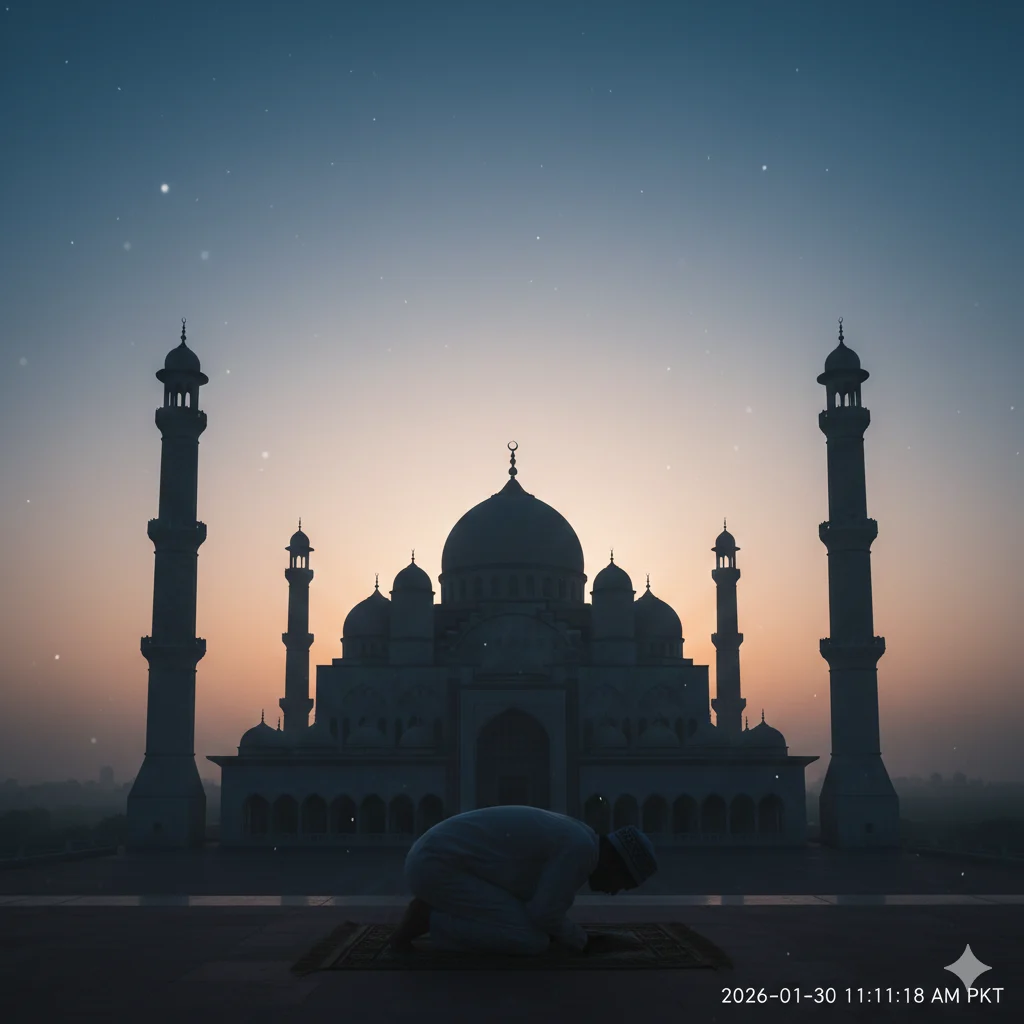
Dhuhr Prayer – Finding Balance in Daily Life
Re-centering the Heart Amid Responsibilities
- A Pause From Worldly Stress
Dhuhr interrupts the rush of work and responsibilities. This pause reminds believers that success without remembrance feels empty. - Releasing Mental Pressure
Midday stress often peaks. Dhuhr prayer helps unload mental burdens, replacing them with trust and renewed focus. - Realigning Intentions
Many quietly renew intentions during Dhuhr, asking Allah to purify actions and keep efforts sincere throughout the day. - Consistency Builds Inner Peace
Praying Dhuhr regularly trains the soul to prioritize faith, even during busy schedules—a powerful spiritual discipline. - Gratitude for Sustenance
This prayer often follows work or provision, making it a moment to thank Allah for rizq and opportunities. - Spiritual Balance in Modern Life
Dhuhr reminds us that Islam fits into modern routines, offering harmony between dunya and akhirah.

Asr Prayer – Strength During Life’s Tests
Holding Firm as Energy Fades
- Patience in Fatigue
Asr arrives when energy dips. Praying despite tiredness strengthens patience and commitment to faith. - A Shield From Negativity
This prayer protects hearts from frustration, gossip, and anger that often surface later in the day. - Renewing Focus and Purpose
Asr refocuses intentions, helping believers finish the day with integrity and mindfulness. - Reminder of Time’s Value
Islam emphasizes Asr because it teaches respect for time—a reminder that every moment is accountable. - Emotional Grounding
Many feel emotionally steadier after Asr, better equipped to handle family, work, and personal challenges. - Strengthening Trust in Allah
As the day wanes, Asr reinforces reliance on Allah over personal strength alone.

Maghrib Prayer – Gratitude at Day’s End
Reflecting as Light Fades
- Thankfulness for Survival
Maghrib invites reflection—another day completed by Allah’s mercy. Gratitude fills the heart naturally. - Family and Togetherness
Often prayed with family, Maghrib strengthens bonds and shared spiritual values. - Seeking Forgiveness
As the sun sets, believers quietly seek forgiveness for daily mistakes, finding relief and hope. - A Gentle Transition
Maghrib helps transition from worldly duties to evening calm and spiritual reflection. - Hope After Hard Days
Even difficult days end with prayer, reminding believers that Allah’s mercy renews daily. - Consistency in Short Time
Despite its brief window, Maghrib teaches punctuality and awareness of divine timing.
Isha Prayer – Resting the Soul in Peace
Ending the Day With Trust
- Letting Go of Worries
Isha offers emotional release—placing unresolved worries in Allah’s care before sleep. - Spiritual Closure
Ending the day with prayer creates completeness and spiritual satisfaction. - Protection Through the Night
Believers often feel spiritually guarded after Isha, sleeping with peace and trust. - Reflection and Accountability
Many reflect on actions, seeking forgiveness and planning improvement tomorrow. - Deepening Faith at Night
Night prayers often feel intimate, strengthening love and reliance on Allah. - Preparing for a Better Tomorrow
Isha closes the day with hope, reminding believers that Allah controls what comes next.
Conclusion
The five prayers of Islam are more than obligations—they are a daily journey of healing, discipline, and divine connection. Each prayer gently supports emotional well-being, reduces stress, and nurtures spiritual growth. Through consistency, believers experience clarity in decisions, peace during hardship, and gratitude in blessings. Integrating these prayers into daily life transforms routines into worship and ordinary moments into sacred opportunities. When prayed with presence and sincerity, Salah becomes a source of strength that carries the heart through every season of life.
Call to Action Options:
- Start your daily prayer journey today and feel the difference in your heart.
- Share these reflections to inspire someone struggling with faith.
- Commit to one prayer with full presence and grow from there.
FAQs About the Five Prayers of Islam
What are the five prayers of Islam?
The five daily prayers are Fajr, Dhuhr, Asr, Maghrib, and Isha. They are obligatory acts of worship performed at specific times, strengthening faith, discipline, and connection with Allah.
Why are five daily prayers important in Islam?
They structure a Muslim’s day around remembrance of Allah, offering spiritual balance, emotional stability, and moral guidance while reinforcing obedience and gratitude.
Can prayers help with stress and anxiety?
Yes. Regular prayer provides calm, mindfulness, and emotional relief by reminding believers to trust Allah and release worries beyond their control.
What happens if a prayer is missed?
Islam encourages making up missed prayers sincerely and striving for consistency, understanding human imperfection while valuing accountability.
Do prayers have benefits beyond spirituality?
Absolutely. Studies and experiences show improved mental health, discipline, time management, and emotional resilience through daily prayer routines.
Can beginners slowly build prayer habits?
Yes. Starting with one prayer and gradually increasing builds consistency, sincerity, and long-term spiritual growth.